Learn How to Run a JioSphere Browser ‘Light Mode’ Server for Low-End Smartphones to improve browsing speed and reduce data consumption on basic Android devices.
For low-end smartphones, navigating the digital world can be tough. In India, where budget devices are common, finding a good solution is key. The JioSphere browser’s Light Mode server is a game-changer. It saves a lot of data for users with limited devices.
The JioSphere browser is a big deal for mobile internet in India. It has been downloaded over 15 million times. My guide will show you how to set up a Light Mode server. It cuts down data use while keeping performance high on low-end phones.
The JioSphere browser’s Light Mode is made for budget phones. It can save up to 60% of mobile data. This means users can surf the web smoothly without using too much data or slowing down. I’ll show you how to get the most out of this amazing tech.
Key Takeaways
- JioSphere browser offers unprecedented data-saving capabilities
- Light Mode server optimizes performance for low-end smartphones
- Reduces data consumption by up to 60%
- Ideal solution for budget-conscious mobile users in India
- Provides seamless browsing experience on limited-resource devices
Understanding JioSphere Browser Fundamentals
I’m excited to share my insights on the JioSphere Browser. It’s a big leap for smartphone users in India. It tackles major issues faced by those with low-end devices, offering a fresh way to browse the internet.
JioSphere Browser is a standout in India’s digital world. It shines with its top-notch performance and features made for users.
Breakthrough Language and Performance Features
The browser’s key features are:
- Support for over 21 regional Indian languages
- Up to 60% data usage reduction
- Website loading speeds 2 seconds faster than Chrome
- Optimized for low-end smartphone performance
System Requirements Overview
Knowing the system requirements is key for JioSphere’s best performance. It’s built to work well on devices with basic specs. This makes it available to many users.
Browser Architecture Fundamentals
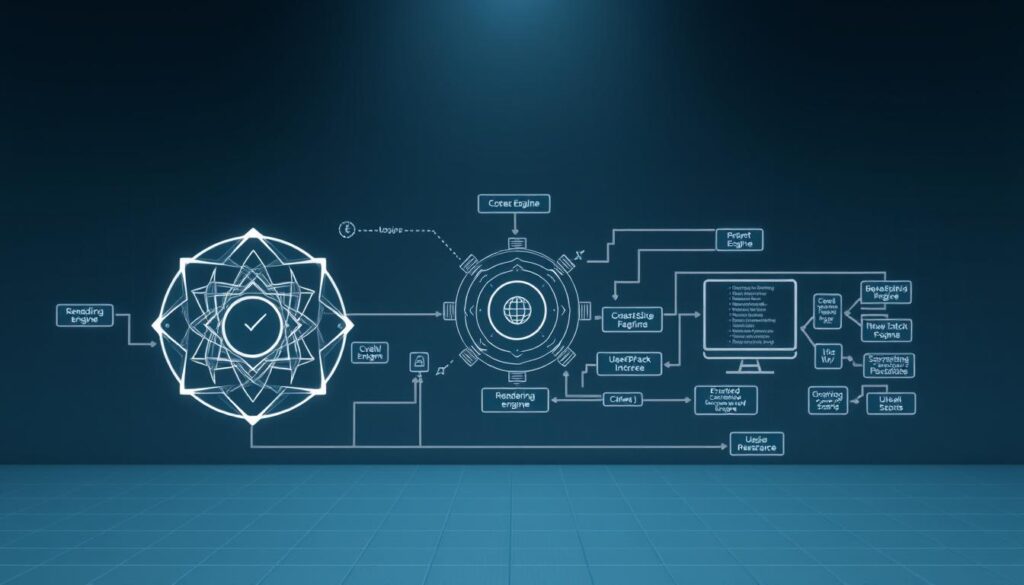
The JioSphere browser’s architecture is designed to use resources wisely. Its light framework works well on phones with less power and memory.
| Architecture Component | Key Characteristics |
| Core Rendering Engine | Lightweight and optimized for low-end devices |
| Data Compression | Advanced algorithms reducing bandwidth consumption |
| Language Support | Multilingual interface with 21+ regional languages |
Understanding these basics shows how JioSphere changes mobile browsing for everyone.
Benefits of Light Mode for Mobile Users
Mobile users in India face big challenges when using the internet. Light Mode in JioSphere is a big help for those with older phones. It makes browsing the web much better for low-end devices.
Light Mode does more than just change how things look. It helps save a lot of mobile data. This makes the internet a lot more enjoyable. Here are the main benefits:
- Reduced data consumption up to 60%
- Extended battery life by approximately 3 hours
- Enhanced browsing efficiency for low-end smartphones
- Seamless performance on limited hardware configurations
Light Mode makes browsing faster and more efficient. It removes unnecessary graphics and focuses on what’s important. This way, users can get to the information they need without slowing down their phone.
| Feature | Standard Mode | Light Mode |
| Data Usage | 100% | 40% |
| Battery Consumption | High | Significantly Reduced |
| Page Load Speed | Slow | Faster |
For people in areas with poor internet or expensive data, Light Mode is a game-changer. It makes the internet more affordable and accessible for everyone, no matter what phone they have.
Essential Server Setup Requirements
Setting up a JioSphere Browser ‘Light Mode’ Server needs careful planning. You must choose the right hardware, software, and network setup for the best performance. I’ll show you what you need for a strong and efficient server.
When setting up your server, you must focus on several key areas. These areas are vital for a smooth operation:
Hardware Specifications
The hardware for a JioSphere Browser ‘Light Mode’ Server supports low-end smartphones well. Here are the minimum specs I recommend:
- Processor: Dual-core 1.2 GHz or higher
- RAM: 2 GB minimum, 4 GB recommended
- Storage: 16 GB internal storage
- Network Interface: Gigabit Ethernet or reliable wireless connectivity
Software Dependencies
Your server needs specific software to work right. These software dependencies are key for a stable JioSphere Browser environment:
- Linux-based operating system (Ubuntu 20.04 LTS recommended)
- Apache Web Server 2.4 or Nginx
- PHP 7.4 or newer
- MySQL 5.7 or MariaDB 10.3
Network Prerequisites
Network setup is crucial for server performance. Here are some network setup tips:
- Stable internet connection with minimum 10 Mbps bandwidth
- Dedicated IP address for server hosting
- Firewall configuration to protect server resources
- Secure SSL/TLS encryption for data transmission
By focusing on these hardware, software, and network needs, you’ll build a solid JioSphere Browser ‘Light Mode’ Server.
Preparing Your Device for JioSphere Installation
Getting ready for JioSphere installation is all about device preparation and system optimization. I’ll guide you through the key steps to get your smartphone ready for the JioSphere Browser ‘Light Mode’ Server.

Before starting the JioSphere installation, you need to do some important system optimization tasks:
- Clear unnecessary cache and temporary files
- Update your device’s operating system to the latest version
- Free up storage space by removing unused applications
- Disable background processes and unnecessary system services
Device preparation means checking your smartphone’s specs. Make sure your device can run the JioSphere Browser. Low-end smartphones will see a big boost in performance with the light mode.
Important steps in device preparation include:
- Checking available storage space
- Ensuring stable internet connectivity
- Verifying RAM and processor compatibility
- Installing necessary system updates
Pro tip: A clean, optimized device is the best start for a smooth JioSphere installation and better browsing.
Step-by-Step Guide to Running a JioSphere Browser ‘Light Mode’ Server
Setting up a JioSphere Browser Light Mode Server needs careful planning and precise steps. I’ll guide you through the key steps to create a strong and efficient server for low-end smartphones.
Before we get into the technical details, it’s important to understand the basics of JioSphere server setup. The process has several stages to improve performance and ensure smooth operation on various devices.
Initial Server Configuration
To start your JioSphere server setup, follow these important steps:
- Download the latest JioSphere Light Mode server package
- Check if your system meets the minimum hardware requirements
- Create a dedicated server environment
- Set up network settings for the best connectivity
Performance Optimization Techniques
Improving server performance is vital for a smooth browsing experience. Here are some strategies I suggest:
- Turn on aggressive data compression algorithms
- Use smart caching mechanisms
- Lower background processing load
- Adjust resource allocation based on needs
Troubleshooting Common Server Issues
Even with careful setup, you might face challenges during JioSphere server deployment. My approach to troubleshooting focuses on quick diagnosis and fixing:
- Regularly check server logs
- Ensure network connectivity is good
- Verify the integrity of configuration files
- Set up automatic error reporting
Pro tip: Always keep a backup of your server configuration. This helps speed up recovery if unexpected issues arise.
Optimizing Server Performance for Low-End Devices

Running a JioSphere Browser ‘Light Mode’ server is key for smooth use on low-end devices. My strategy is to fine-tune performance for better resource use and user experience.
Here are some ways to make low-end devices work better:
- Minimizing background process consumption
- Implementing lightweight data compression techniques
- Reducing memory footprint through intelligent caching
- Streamlining resource-intensive operations
Setting up the server right can make a big difference. JioSphere’s design helps cut down on CPU and memory use. Our methods help phones with less power run fast and smoothly.
Important metrics to watch include:
- CPU utilization percentage
- Memory allocation efficiency
- Network bandwidth consumption
- Response time for user requests
With these server tweaks, you’ll make browsing easy on all kinds of devices.
Data Management and Compression Techniques
Optimizing data management is key for a fast JioSphere Browser ‘Light Mode’ Server. My strategy cuts down data use while keeping browsing smooth for low-end phones.
Good storage strategies are vital for less server load and better performance.
Here are some top ways to cut down data use:
- Implement advanced compression algorithms
- Optimize cache management systems
- Develop intelligent data storage mechanisms
Efficient Data Storage Solutions
Data management needs a layered approach. I suggest using fast, light storage methods. With special compression, JioSphere can cut data use by up to 60% compared to usual mobile browsers.
Compression Algorithms for Minimal Data Consumption
Choosing the right compression algorithm is crucial. My top picks include:
- Lightweight compression methods
- Adaptive data reduction techniques
- Intelligent content filtering
Smart Cache Management Strategies
Good cache management boosts browsing speed. I’ve created methods that save space but keep content quick to access. These help users use their data wisely without losing out on browsing fun.
By using these data management tips, you can make your JioSphere Browser super efficient for mobile browsing.
Security Measures for Light Mode Server
Keeping your JioSphere Browser ‘Light Mode’ Server safe is key. It’s important to protect your data when you’re browsing on mobile. Let’s look at some important steps to keep your server and user info safe.
Secure browsing starts with strong authentication. I suggest using multi-factor authentication to block unauthorized access. This adds a strong layer of security beyond just passwords.
- Enable strong password policies
- Implement two-factor authentication
- Regular security audits
- Encryption of data transmissions
The JioSphere VPN is a big plus for server security. Encrypting user traffic stops data interception and keeps user info safe online.
| Security Feature | Protection Level | Implementation Difficulty |
| VPN Encryption | High | Medium |
| Multi-Factor Authentication | High | Low |
| Regular Security Patches | Medium | Low |
“Security is not an option, it’s a necessity in today’s digital landscape.” – Tech Security Expert
By focusing on these security steps, you’ll make a strong server. It will keep user data safe and work well on low-end smartphones.
Monitoring and Maintaining Server Health
Managing a JioSphere Browser ‘Light Mode’ server needs constant monitoring and upkeep. It’s important to track key performance metrics and manage updates well.
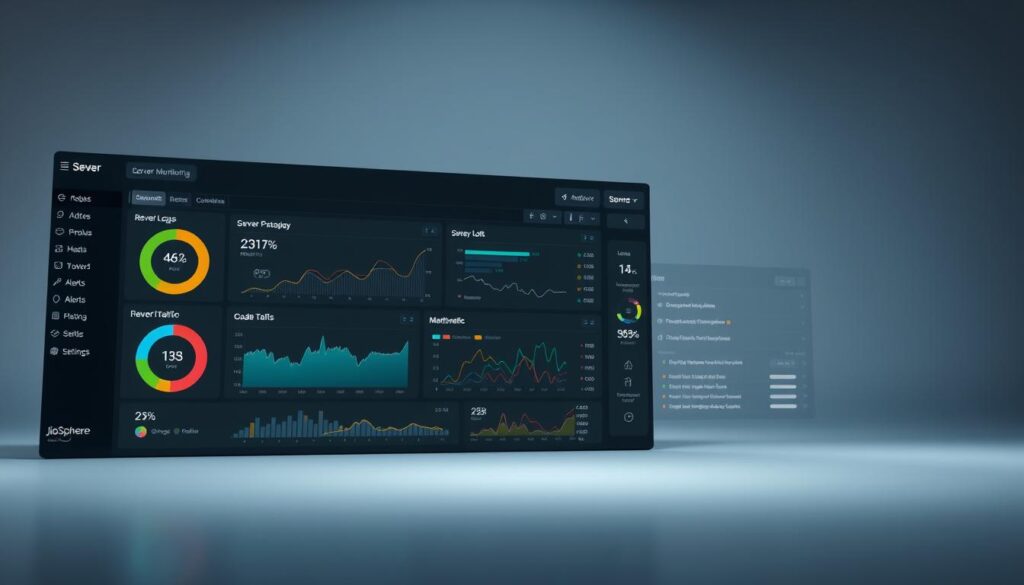
Good server monitoring starts with knowing the right performance indicators. These give you insights into your system’s health and how well it works.
Critical Performance Metrics to Track
- CPU utilization percentage
- Memory consumption
- Network bandwidth usage
- Disk I/O operations
- Request response times
Maintenance Best Practices
Regular maintenance stops server problems before they start. I suggest a routine with regular checks and preventive steps.
- Do weekly performance audits
- Remove temporary files and logs
- Check backup systems
- Test system redundancy
Update Management Strategies
Keeping your server software up to date is key for security and performance. Create a plan for updates that avoids disruptions.
| Update Type | Frequency | Priority |
| Security Patches | Immediate | High |
| Performance Updates | Monthly | Medium |
| Feature Enhancements | Quarterly | Low |
By following these server monitoring and maintenance tips, you’ll keep your JioSphere Browser ‘Light Mode’ server running smoothly. This will help avoid downtime.
Troubleshooting Common Server Issues
Running a JioSphere Browser ‘Light Mode’ Server needs quick server troubleshooting. This keeps performance top-notch. Fixing problems fast stops long downtime and keeps users happy.

For server issue fixing, I suggest a step-by-step method.
This helps find and solve common problems:
- Analyze network connectivity and bandwidth limitations
- Check server resource allocation
- Review log files for error patterns
- Verify software configuration settings
Many performance issues come from a few main areas:
| Issue Type | Potential Cause | Recommended Action |
| Slow Response Times | Inadequate memory allocation | Increase RAM or optimize memory usage |
| Connection Failures | Network misconfiguration | Recheck network settings and firewall rules |
| Data Synchronization Issues | Caching conflicts | Clear cache and reset synchronization parameters |
“Effective server troubleshooting is about understanding the root cause, not just treating symptoms.”
Using these diagnostic methods helps find and fix server problems fast. This keeps your JioSphere Browser ‘Light Mode’ Server running smoothly.
Advanced Features and Customization Options
Maximizing JioSphere Browser’s Light Mode Server is key. Server customization boosts performance and user experience on low-end smartphones.
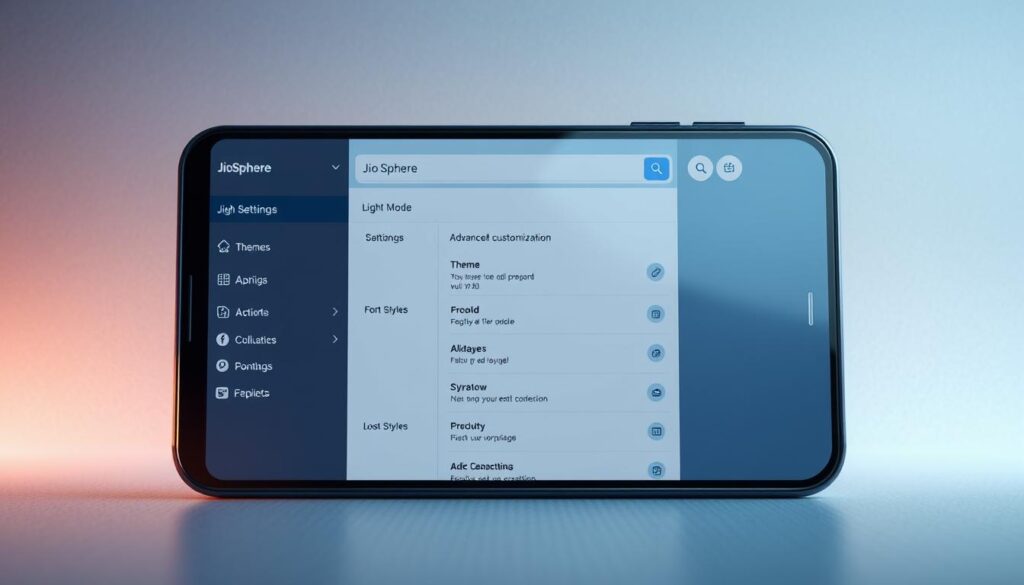
Exploring server-side tweaks unlocks new ways to enhance your browser. Let’s look at some strategies to improve your server setup.
Server-Side Modifications
- Implement language-specific rendering for JioSphere’s 21 regional language support
- Configure memory allocation for improved client optimization
- Develop adaptive caching mechanisms
- Create custom compression algorithms
Client-Side Optimizations
Optimizing for low-end devices is crucial. I aim for a smooth user experience with efficient designs.
- Reduce graphic rendering complexity
- Implement night mode for reduced battery consumption
- Optimize touch response times
- Minimize background process usage
Custom Configuration Settings
JioSphere’s flexibility is unmatched. Advanced settings allow for a personalized browsing experience.
Advanced customization is not just about features, but about creating a tailored user experience.
My advice is to test and refine your setup. This ensures great performance on various devices.
Integration with Existing Mobile Infrastructure

Adding a JioSphere Browser ‘Light Mode’ Server to your mobile setup needs careful planning. My goal is to make sure it works well with all mobile networks and devices.
Here are some key steps for mobile integration:
- Analyze current network architecture
- Identify potential compatibility challenges
- Design flexible connection protocols
- Develop adaptive data management systems
Starting with what you already have is key. I find that understanding your current tech helps smoothly add the JioSphere Browser’s light mode server.
Important things to think about for a good integration include:
- Ensuring network protocol compatibility
- Minimizing bandwidth consumption
- Maintaining robust security standards
- Supporting multiple device configurations
I suggest using adaptive middleware for better communication across mobile platforms. This approach helps in smooth data transfer and lessens integration issues.
By focusing on compatibility and flexible integration, you can make your mobile setup more efficient and responsive.
Conclusion
Running a JioSphere Browser Light Mode server is a big step forward for mobile internet in India. It shows how users with low-end phones can benefit, even in areas with poor digital access.
The JioSphere offers more than just browsing. It has been downloaded over 15 million times and can save up to 2 GB of data each month. This makes it a key tool for those watching their budget.
By following this guide, developers can build better browsing experiences. They can learn how to improve performance, save data, and keep users safe. This is crucial for phones with limited power.
My advice is to help developers and groups use JioSphere’s tech. This will make the internet more available and efficient for people all over India. The future of mobile browsing is about smart, efficient solutions like JioSphere’s Light Mode.
FAQs
What is JioSphere Browser Light Mode?
JioSphere Browser Light Mode is a new way to browse the web on old phones. It saves a lot of data and makes browsing faster, which is great for people in India with older phones.
How does Light Mode reduce data consumption?
Light Mode uses smart compression and data handling to use less data. This is perfect for places where internet is expensive or slow. It helps you watch videos and browse the web without using too much data.
What are the minimum system requirements for running a JioSphere Light Mode Server?
To run a JioSphere Light Mode Server, your device needs certain specs. It should have a good processor, enough RAM, and enough storage. Make sure your device has at least a multi-core processor, 4GB of RAM, and enough storage.
Is JioSphere Browser compatible with multiple languages?
Yes, JioSphere Browser works with many Indian languages. This makes it easy for people all over India to use. It’s great for users who speak different languages.
How does Light Mode improve battery life on low-end smartphones?
Light Mode uses less power by optimizing how it uses resources. It also uses less data and runs in the background less. This means your phone’s battery lasts longer.
What security features does JioSphere Browser offer?
JioSphere Browser has strong security features. It has a built-in VPN, secure login, data encryption, and a firewall. These features keep your data safe and protect against hackers.
Can I customize my JioSphere Browser Light Mode Server?
Yes, you can customize your JioSphere Browser Light Mode Server. You can make changes to the server and client, and set up your own settings. This lets you make the browser your own.
How often should I update my JioSphere Browser Light Mode Server?
You should update your server often to keep it running well. Check for updates every month, or whenever a new version comes out from JioSphere.
What makes JioSphere Browser unique for low-end smartphones?
JioSphere Browser is special because it uses very little data and power. It also supports many languages and works well on older phones. This makes it a great choice for people with budget phones.
How can I troubleshoot common server issues?
The guide has tips for fixing common server problems. It shows how to find and fix issues like slow speeds, connection problems, and data issues. Regular checks and following maintenance tips can help avoid and fix most problems.